|
|
Figurine Deposit in Roman Building 4, Room 20, strosis 1. Coins:
13 April 1937 #1 ... To 4th c. A.D ... Figurine Deposit in Roman Building 4, Room 20, strosis 1. |
Tile-lined Well in NE room (R/18,19-13/20).
Homogenous dump ... 350-325 B.C ... Tile-Lined Well in NE room (R/18,19-13/20) |
| Disturbed pyre dispersed in fill of Room 5, House D.
Pyre pots in very fragmentary condition were noticed by Barbara Tsakirgis in later analysis of pottery that had been excavated in 1938; no mention of ... 14 June 1938 |
| Pyre in Room 8 of Roman House H. Concentration of artifacts, bone, and flecks of carbon in stratum, no pit discerned. the pyre lay within a red fill apparently contemporary with it, but with some later ... 300-290 B.C. |
House F, room 4 below floor at -2.00m., fill 4. Deposit created by A.W. and first appears in his thesis (Biblio. below). Coins;
19 May 1949 #1-#16 Cf. coins from 17 June 1949 #1-#4 listed with lot OO 490 ... First quarter 2nd c A.D. |
| (RSY=Pyre 2). Pyre in the industrial area west of the Areopagus, in House B. In northern corner of room. No pit discerned. A deposit of small stones (a marker/) lay 0.30m above the level of the pyre, ... Third quarter of the 4th. century. |
Greek House J, under room 8 of Roman House H.
Typical though very fragmentary pyre pottery lay dispersed in a stratum over bedrock with pottery ranging from the 5th to the mid-3rd c.
In same general area ... Early 4th c. B.C.? ... Greek House J, under room 8 of Roman House H.
... In same general area as pyre Q 20:4, it must come from a different, earlier pyre. |
| Pyre in north central room of house, measuring 0.50m east-west by 0.35m north-south. Pottery, bone, and burnt material in pit dug into layer IIb (crushed bedrock floor: lot Ω 464, 4th c.) and covered by ... 350-325 B.C. |
Catch Basin in Building P, Room 7. Coins:
26 April 1948 #20-26 ... 3rd. c. A.D. to pre-Herulian ... Catch Basin in Building P, Room 7 ... Coins:
26 April 1948 #20-26 |
Pithos in NW corner (room) of Poros Building. Marble chips ... Mid-4th c.? |
Rectangular Pit under House L, Room 2. Rubbish pit belonging to second phase of house ... 4th. c. B.C. |
House N, Room 4: Fillings in and over floors (Layers 7 and 8). Lower level probably antedating the building of the Great Drain in this area; the upper level apparently contemporary with remodeling of the ... 425-400 B.C ... House N, Room 4: Fillings in and over floors (Layers 7 and 8). ... Hesperia 20 (1951), p. 204 = House C, Room 5. |
Pit in House N, Room 2 (RSY, House C). Filling thrown in behind the west wall of the Great Drain South at the time of the building of the drain and the extension of House C.
Cf. Hesperia 20 (1951), pp ... Ca. 430-410 B.C ... Pit in House N, Room 2 (RSY, House C). ... Hesperia 20 (1951), pp. 211-212, 256. |
| Pyre in layer "9d" in SW corner of Room 6 of Greek House δ. Ashes and fragments of small bones ... Ca. 225 B.C. |
House C, Room 4 (Pottery dump of stamnos wall and fill below floor). Coins:
1 July 1947 #13
2 July 1947 #1
Coins from House IV:
14 May 1947 #1-#2
19 May 1947 #6-#7
20 May 1947 #32 ... First half 3rd c. B.C ... House C, Room 4 (Pottery dump of stamnos wall and fill below floor) ... Coins:
1 July 1947 #13
2 July 1947 #1
Coins from House IV:
14 May 1947 #1-#2
19 May 1947 #6-#7
20 May 1947 #32 |
| Pyre in Room 1, area west of street (RSY=Pyre 11).
Early in the third quarter of the 4th. c. B.C.
In courtyard. Artifacts, bone, and cinders in irregular pit in floor sequence. The pit had been dug into ... 350-330 B.C. |
Cistern in Room 12, House C=House N.
Simple flask-shaped chamber with draw shaft, in House M, Room 1; no tunnels. Excavated as single fill, but later analysis of material suggested two fills. Coins:
24 ... 4th. c. B.C. |
A well in House T, Room 2W (Publ. House D), industrial area west of the Areopagus. Lower filling of dug bedrock including a small amount of pottery of the Geometric period. Gravelly filling in collapsed ... 3rd. quarter of 8th. c. B.C. |
| Pyre in Room 2, area west of street (RSY=Pyre 12).
In courtyard. Artifacts, bone, ash, carbon, and cinders in pit in floor sequence. The rectangular pit was cut into a white strosis with marble chips (ΠΠ ... 315-300 B.C. |
| Located in House H, Room 13 on the lower northwest slope of the Areopagus ... Late 2nd c. B.C. |
Well East of Stoa Room 6 (well with Siana Cup); scanty dumped filling.
No water. Well never used. Estimated Grid ... 600-550 B.C. |
Well (diameter 0.98m) in House H, Room 13.
Two dumped fills apparently of the same date, but separated by a clay deposit of over 2.00m.
Cf. Hesperia 20 (1951), p. 253. (noted) Subdivisions:
.1=Upper ... Ca. 425-400 B.C ... Well (diameter 0.98m) in House H, Room 13.
Two dumped fills apparently of the same date, but separated by a clay deposit of over 2.00m.
... Hesperia 20 (1951), p. 253. |
Pit in House T, Room 3 (through layer 6), in the industrial area west of Areopagus. Very likely pit may have been respectable archaic context, but nothing to go on beyond the two catalogued pieces (LT ... Ca. 500-480 B.C. |
| Pyre in House C, Room 12 (RSY=Pyre 9) in the industrial area west of the Areopagus.
Notebook refers to House N.
Beside west wall of room 12. Pottery, burnt bone, and cinders in a roughly round pit; disturbed ... Ca. 250 B.C. |
| Sacrificial pyre in Poros Building, NW Room (RSY= Pyre 1).
Against east wall of room 5 west. artifacts, bone, carbon and ash in pit in floor sequence. the pyre lay below a floor covered with marble dust, ... Middle of 4th c. B.C. |
An unfinished well in the northwest room of the Poros Building, west of the Areopagus. Dumped filling. Chips from marble-working, variety of plain and figured wares ... Ca. 400-385 B.C. |
| Pyre in House N, room 4 (RSY=Pyre 7), in the industrial area west of the Areopagus.
Pottery, mall pieces of calcined bone, log, wood cinders, and charcoal in diamond-shaped pit in floor sequence. The pyre ... Late 4th-early 3rd c. B.C. |
| Pyre in House N, room 2, layer 5 (RSY=Pyre 8).
Near northern corner of room 6. Artifacts, bone, burnt logs, and cinders in square pit dug from level of layer 5, through layers 5 and 6; thin clay floor ... 325-300 B.C. |
| A tile lined well under Room I of Byzantine House.
A concrete shaft belonging to the mill cut off the top of the well and left in place 3 complete sets of tiles and most of a fourth set. All but the lowest ... 17-18 c. A.D. |
Thra (ΘΡΑ) Well (East of Stoa Room 2). Heavy dumped filling, including figured, black and plain wares, and also a quantity of animal bones, mostly skulls of oxen. On many of these the horns had been sawn ... Ca. 520-480 B.C. |
| Pyre in House C, Room 8 (RSY=Pyre 6).
Near east corner of room 8. Artifacts, burnt bone, burnt sticks, and large cinders in a shallow pit dug into surface of layer 3, and covered by layer 2. Some cinders ... 350-325 B.C.-end of 4th c. B.C. |
North of Eleusinion: Fill in Room 3 of Roman Building. 614 sherds (6 miniature shapes, 20 intrusive sherds).
Objects : terracottas; loom weights; spindle whorls; disks; handmade tray; lamps.
Early ware ... First half of 6th c. B.C.-Mixed Fill to ca. 480 B.C ... North of Eleusinion: Fill in Room 3 of Roman Building ... 614 sherds (6 miniature shapes, 20 intrusive sherds).
|
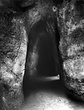
Cistern at 65/ΚΗ (and Channel). Cistern in the northwest room of the annex to the Poros Building west of the Areopagus. Part of the same system as D 17:4 and D 17:5, the chambers connected by long tunnels ... 300-250 B.C. |
| Pyre in House T (= House D), Room 2 (5th c.) and fill east of pyre.
Earlier than the other pyres of this house.
Pottery, slivers of burnt bone, and heavy deposit of carbonized material and cinders in ... Ca. 420-410 B.C. |
| Pyre in House T, Room 2 through floor of second period (RSY=Pyre 5) in the industrial area west of the Areopagus.
4th. c. BC.
Concentration of artifacts, burnt bone, and charcoal in floor makeup consisting ... 375-350 B.C. |
| Pyre in House T, Room 1, Layer 5-6 (RSY=Pyre 3) in the industrial area west of the Areopagus.
First quarter 4th. c. B.C.
Artifacts, bone, and cinders in pit in floor sequence. The pyre was found in digging ... 400-375 B.C.(?) |
Construction fill below floor of Brick Building.
Areas involved:
a) Western portion of Room A: packing below floor.
b) Room B: packing below floor of northern,larger room.
c) Fill over water channel in ... First quarter 2nd century, before its end ... Areas involved:
a) Western portion of Room A: packing below floor.
b) Room B: packing below floor of northern,larger room.
c) Fill over water channel in smaller, southern room B; channel discovered by builders of Brick Building,rebuilt by them and covered over.
d) Foundation trench of earlier building beneath Brick Building, filled and covered by builders of Brick Building.
e) "Apparently from below floor of building" (nb.p. 1282).
... Lot 20 "Ash, Carbon and Slag Fill, against the west face of dividing wall between Rooms A and B" of 1936 excavations including P 19790, SS 5379 and coin ΣΑ-16. |
| Marcie Handler ... The Pyre was revealed in a layer of 4th c. fill in the north end of Room 6, just south of Wall 8. Room 6 is defined by the street wall (Wall A) on the west, Wall 7 on the east, Wall 9 on the south (preserved ... 4th c. B.C ... The Pyre was revealed in a layer of 4th c. fill in the north end of Room 6, just south of Wall 8. Room 6 is defined by the street wall (Wall A) on the west, Wall 7 on the east, Wall 9 on the south (preserved only as a stub on the east side of the area), and possibly Wall 8 or Wall 6 on the north.
2.5 meters SW of the pyre, a patch of floor surface at J/10-1/20 at 52.188 masl. was found. |
| Pyre in House D, Room 4 (RSY=Pyre 4) in the industrial area west of the Areopagus.
Notebook refers to House N.
Pottery belongs late in third quarter of the 4th. c. BC. Pyre burned near beginning of last ... 350-300 B.C. |
| Stucco-lined bottle-shaped cistern, with tunnel and subsidiary manhole, in SW Baths, Room Α 10. Homogeneous dumped fill, mostly of mold-made bowls and and molds for terracotta figurines. Sixteen stamped ... 225-190 B.C ... Stucco-lined bottle-shaped cistern, with tunnel and subsidiary manhole, in SW Baths, Room Α 10. Homogeneous dumped fill, mostly of mold-made bowls and and molds for terracotta figurines. ... Coins:
13 May 1969 #1-#11
14 May 1969 #1-#9
15 May 1969 #1-#11
16 May 1969 #1-#12
17 May 1969 #1-#12
19 May 1969 #1-#8
20 May 1969 #1-#7
21 May 1969 #1-#5
22 May 1969 #1-#5
23 May 1969 #1-#8 |
| Pyre 2 in Central House, Room X, under strosis 9. Signs of burning, carbonized food, animal bone.
In room south of courtyard. concentration of artifacts, bone, and charred material in floor makeup, no ... 290-275 B.C ... Pyre 2 in Central House, Room X, under strosis 9. Signs of burning, carbonized food, animal bone.
In room south of courtyard. concentration of artifacts, bone, and charred material in floor makeup, no pit discerned; pots not clearly clustered. ... Hesperia 20 (1951), p. 122 ff. |
|
|