|
|
Part of chariot race: galloping foreleg of one horse against body of another going left. Formerly associated with P 5224. Fauvel Collection. Leica ... January 1963 ... Part of chariot race: galloping foreleg of one horse against body of another going left. |
| Dionysos. Fight. Foot race. Fountain scene. Fox. Funeral games. Hermes. Goose. Giant. Gigantomachy. Discus thrower. Heron. Dog. Hippalectryon, youth riding a. Girl. Hismene. Goat. Homecoming. Hopline ... Agora 23 360 ... Foot race ... Horse ... Horse race |
Two fragments of BF white-ground lekythos. Quadriga race?, right.
a) two pairs of horses.
b) wheel of chariot, legs of horse. C.H.M, Nb. No. 17
Pit 6 51-53 ... 21 Jan 1934 ... Quadriga race?, right.
a) two pairs of horses.
b) wheel of chariot, legs of horse. |
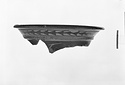
| a) Fragments of rim. Almost half of the diameter preserved in seven joining fragments. Moulded rim. Band of leaves, with narrow strip of tongue pattern below. The scene appears to be a horse race, with ... 3 July 1968 ... The scene appears to be a horse race, with the head of a youth, one ear of a horse, and three hands with whips at least partially visible.
|
Bowl fragment. Max. dim. 0.082; est. diam. of tondo 0.16.
I, jockey (head with long hair streaming behind him; shoulder) to right. Around tondo, stopped-maeander pattern. A, horse race. At the left, one ... Ca. 470-460 B.C ... Around tondo, stopped-maeander pattern. A, horse race. At the left, one raised foreleg of a horse galloping to right, then the goal post. Next come the hindquarters and barrel of another horse, also to right. The two curved lines of glaze on the body of the horse might be the thongs of the jockey's whip, for they do not correspond to equine anatomy. |
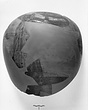
| Eleven non-joining fragments, some mended from several, preserving parts of obverse and reverse and a piece of the rim. Heavy incision; very poor glaze, black to red and much peeled, in many places leaving ... 25 June 1947 ... Reverse: Horseback race?
c) May be part of the column.
d) and e) Head and chest of horse.
f) Belly.
g) Foot of a rider with bit of horse near break above(?).
|
| Inscribed fragments.
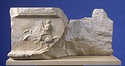
Fragment ΒΕ 43, upper right hand corner of stele preserved, fascia and moulding chipped at corner. Back broken away. The stele is topped by a fascia with a flattened ovolo moulding ... First half of 4th. century B.C ... The stele carried a sculptured relief, preserved is the right hoof and lower foreleg of a horse, the leg is raised. ... Front: left half only preserved, showing a rider on a prancing horse, moving left. ... Body of horse and man preserved. |
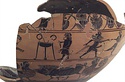
| About half of vase preserved, mended from many fragments, most of which unite to form one side of the body of the bowl (a); ten more form a fragment from the top of the bowl and the rim (b). Bowl rounded ... 9 March 1932 ... One figure dips his wine from a large footed amphora with a high-handled kantharos.
2. a) From left to right: end of chariot race scene: nose and forefeet of galloping horse; large tripod, and bearded male figure in long tunic advancing toward it, holding knife(?).
|
|
|
.png.icon.jpg)