|
|
Vanderpool, Eugene ... American School of Classical Studies at Athens ... Hesperia 35.2 2 93-106 10.2307_147299 ... 1966 ... A Monument to the Battle of Marathon |
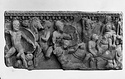
| Brescia. Sarcophagus relief: The Battle of Marathon. Negative made from museum photo ... AMS Horizontal (normal) ... Sarcophagus relief: The Battle of Marathon. |
| Kimon. Messene: herm at city gates. Kimonian herms. Metalwork, archaic Greek imitated in Roman times. Kleon, G. Quintus, marathonios, archon. Korai. Mikkiades. Miletos: archaistic dancers from theater ... Agora 11 183 ... Pallene, battle ... Marathon, battle ... Marathon epigrams |
| Lion guarding fountain. Menodoros. Lions, beneath throne. Menon. Livia. Metalworkers. Logistai. Meter. Logisteria. Metichos or Metiochos. Lokros. Meton. Lollianos. Metragyrtes. Long Rocks. Metronomoi ... Agora 3 254 ... Miltiades, of Marathon ... Marathon ... Naxos, battle of |
| Sv. 98.19-20. Pausanias 1.32.4. E. Vanderpool, A Monument to the Battle of Marathon, Hesperia 35, 1966, 93-106. W. Dindorf, Aristides III, Leipzig 1829, pp. 535-536. Sv. 97.32. Richter, pp. 96, 98. L ... Agora 26 123 ... Vanderpool, A Monument to the Battle of Marathon, Hesperia 35, 1966, 93-106 |
http://agathe.gr/guide/stoa_poikile.html Stoa Poikile Across modern Hadrian Street are the most recent excavations (2003), along the north side of the square. Here have been revealed the remains of another large stoa, identified on the basis ... Most famous, perhaps, was a picture of the battle of Marathon (490 B.C.) by Polygnotos. |
| Handbuch der Archäologie, im Rahmen des Handbuchs der Altertumswissenschaft, III, 1, Die Plastik, by Georg Lippold, Munich, 1950. Georg Lippold, Die Skulpturen des vaticanischen Museums, III, 1, 1936 (vols ... Agora 11 xvii ... Meritt, Benjamin D., "Epigrams from the Battle of Marathon," Aegean and Near East, pp. 268-280 ... Meritt, Benjamin D., "The Marathon Epigrams Again," A.J.P., LXXXIII, 1962, pp. 294-298 |
http://agathe.gr/democracy/the_athenian_army.html The Athenian Army From the very beginning, the Athenians were compelled to fight for their new democracy. Their dramatic victories over the Boiotians and Chalkidians in 506 B.C. led many to attribute Athenian ... This notion was greatly enhanced by the extraordinary victory of the Athenian army over the Persians at Marathon in 490 B.C. On numerous subsequent occasions, Athenian citizens were called upon to go into battle against other states, both Greek and foreign, most often against oligarchies and aristocracies, since the Athenians tended to ally themselves with other democracies. ... They went into battle protected by a helmet, breastplate, and greaves (shin guards), carrying a large round shield and long thrusting spear. |
|
|
.png.icon.jpg)
.png.icon.jpg)
.png.icon.jpg)
.png.icon.jpg)